Choosing a premium web design agency for your next 3D website is a pivotal decision, one that will shape your brand’s digital expression, user engagement
How to Choose a Premium Web Design Agency for High-Impact 3D Websites
Choosing a premium web design agency for your next 3D website is a pivotal decision, one that will shape your brand’s digital expression, user engagement, and the underlying stability of your entire online platform. In 2026, the web design industry is crowded with agencies showcasing visually impressive 3D sites, but surface-level beauty is not enough. The agencies that set the pace offer both deep technical skill and a process built for transparency, collaboration, and business results. If you’re launching a new SaaS product, scaling a fintech platform, or revitalizing your startup’s digital presence, the agency you select will impact everything from time to market and budget discipline to post-launch growth. Don’t settle for agencies that focus on aesthetics while neglecting technical depth or operational integration. Instead, look for a true strategic partner, one that makes technical rigor and process clarity as visible as their design flair.
What Sets a Premium Web Design Agency Apart in 3D
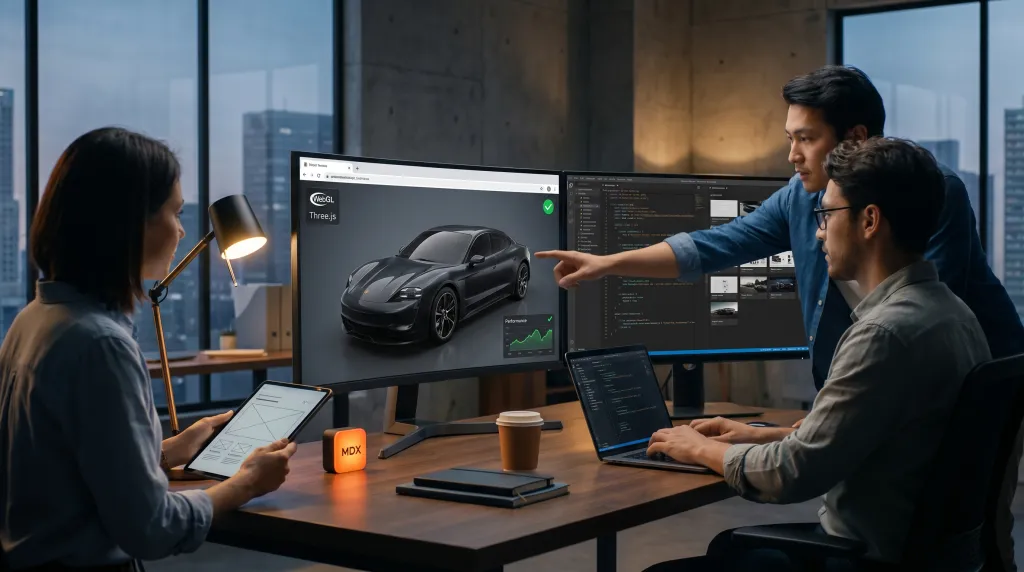
The most meaningful mark of a premium web design agency is in-house technical leadership. Many agencies can present glossy 3D mockups, but few can deliver solid, interactive sites with consistent quality. The difference often comes down to whether 3D and WebGL work is handled by a dedicated, in-house team or pushed out to freelancers and overseas vendors. Outsourcing introduces communication delays, misaligned expectations, and inconsistent code quality. When evaluating potential partners, ask for direct introductions to their technical leads, not just project managers, and request to see real case studies, with live demos and detailed breakdowns of the agency’s role in each project.
Another core differentiator is performance optimization for 3D content. Heavy assets and interactive logic can slow down even the most beautiful sites, so top-tier agencies proactively address asset management, shader optimization, and fallback options for older or less capable devices. They should be able to provide data-backed outcomes: improved engagement rates, conversion upticks, and performance metrics across multiple devices and browsers.
- Confirm genuine in-house 3D and WebGL expertise: ask to speak with the engineers who will actually build your site.
- Request case studies showing measurable business results, not just screenshots or animations.
- Discuss their protocols for accessibility, mobile responsiveness, and handling browser or device edge cases.
Transparency is the rule among top agencies. They map out every phase of their workflow, from initial discovery through deployment and ongoing support, and are forthright about technical limitations or tradeoffs. This level of candor dramatically reduces the risk of mid-project surprises or budget overruns.
Related decision: To get a sense of real-world outcomes, review MDX 3D and interactive web project examples and compare their technical substance and business impact to your own goals.
Evaluating Core Capabilities: Tech Stack, Process, and Integration
Technical fluency is essential, but a premium web design agency also needs to demonstrate operational maturity and integration experience. The best agencies master Three.js, WebGL, GSAP for motion, and React or Next.js for UI. But even more important is how these technical skills connect to your business systems, your SaaS backend, payment stacks, or data platforms. Too many agencies shine on the front end but stumble when integrating with APIs, secure authentication, or analytics infrastructure, leading to fragile launches and costly post-launch fixes.

Vet agencies with a detailed, operational checklist:
- Technical Deep Dive: Insist on a walkthrough of previous 3D projects. Probe for details on frameworks, build tools, how they solved performance or cross-browser issues, and what specific technical challenges they faced.
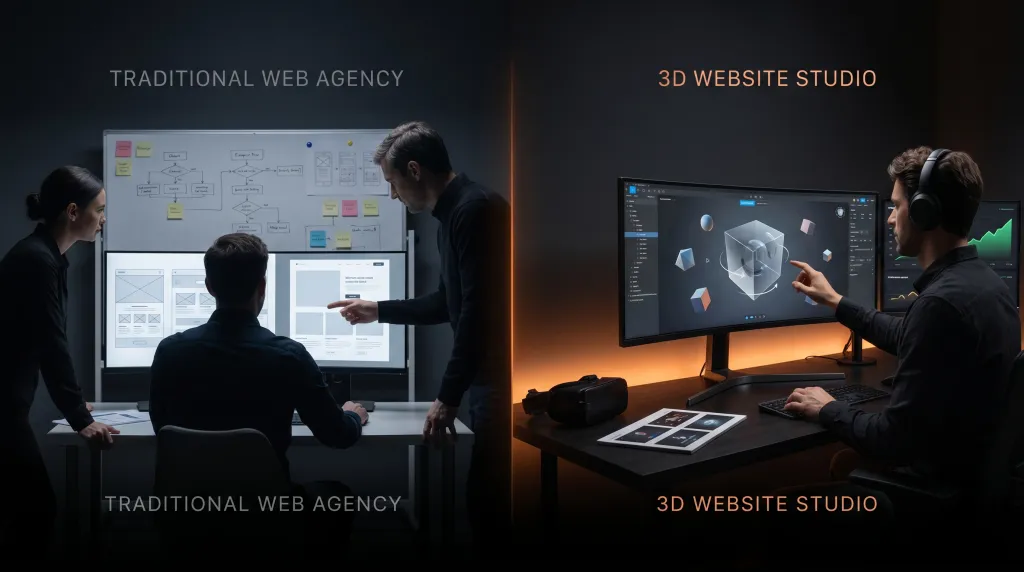
- Prototyping and Stakeholder Feedback: Demand interactive 3D prototypes (not just static wireframes), built using WebGL or Three.js. This allows your team to assess usability and experience before committing to full-scale development.
- Integration Experience: Ask for concrete examples of past API integrations, CMS or SaaS connections, and how they handled secure authentication. Agencies that gloss over this are likely to miss deadlines or run into scope creep.
- Build Pipeline Transparency: Discuss their use of staging environments, automated QA, and deployment practices. This is crucial if your business can’t afford downtime or buggy releases.
- Process Documentation: Premium agencies provide clear documentation for design handoff, technical acceptance, and ongoing maintenance. This ensures your investment remains secure and future-proof as your business evolves.
Accessibility and mobile adaptation are also critical. In 2026, your audience expects seamless experiences across all devices. A desktop-only 3D showpiece is no longer sufficient, especially for SaaS and fintech products where accessibility and speed drive adoption.
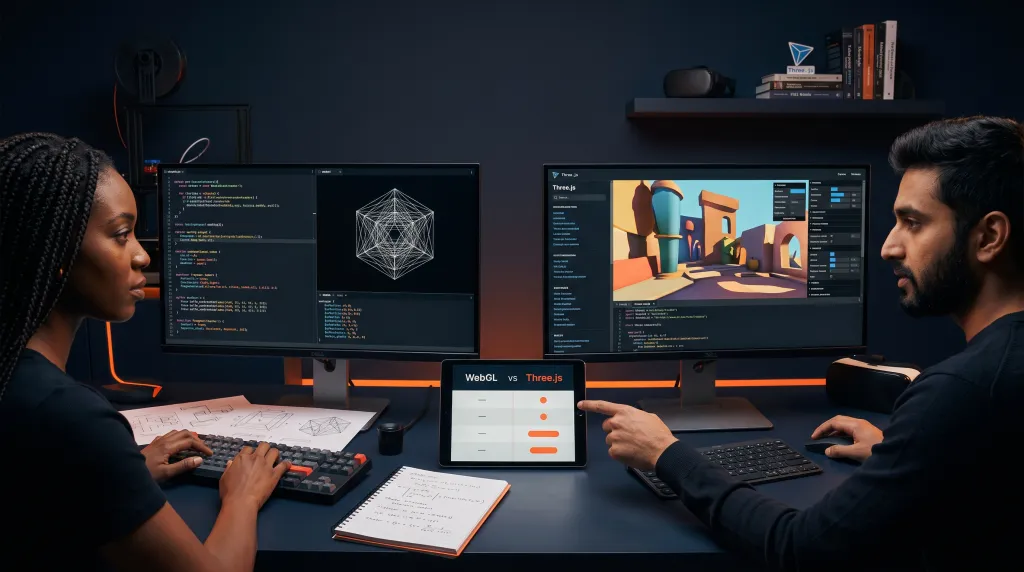
To further inform your due diligence, read WebGL Vs Three.js: Which Technology for Your 3D Website? for a technical breakdown of common frameworks and how agency choices affect your project’s outcome, scalability, and performance.
Hidden Risks When Hiring for Premium 3D Web Design
Even when working with a premium web design agency, hidden risks can threaten timelines, budgets, and business goals. One of the most frequent issues is offshore outsourcing of technical 3D work. When agencies farm out critical code to remote freelancers, you may encounter language barriers, delayed feedback loops, and a lack of technical ownership, problems that often become visible only when your project hits a snag or moves into post-launch support.
Failure to address scope creep is another major risk. 3D features that appear smooth in controlled demos may struggle under real-world conditions, when faced with high traffic, a wide variety of devices, or unexpected asset loads. If your agency doesn’t candidly discuss browser support, device limitations, and technical constraints at the outset, your budget and timeline may quickly unravel.
Another common challenge is integration with business-critical systems. Many agencies excel at visuals but lack the engineering depth to connect custom 3D experiences to real SaaS backends, fintech APIs, or secure authentication flows. This can result in brittle workarounds, expensive rewrites, or even launch failure if not identified early.
Pro tip: Structure your project with milestone-based feedback and technical sign-off at every stage: discovery, prototyping, integration, and QA. Insist on clear escalation paths for technical blockers. This level of discipline is a hallmark of agencies that consistently deliver successful outcomes.
Steer clear of agencies that operate from a single playbook or focus only on aesthetics. The best partners tailor their process to your business context, surface risks early, and communicate openly about tradeoffs, protecting your budget and your brand.
Related Decision: Should You Invest in Immersive 3D or Advanced UI Now?
In 2026, immersive 3D web design is an eye-catching differentiator, but only when it serves a real business need. Don’t invest in advanced UI for its own sake. Instead, ask whether immersive design will drive engagement, reduce churn, or unlock new product capabilities for your market. Are your competitors using interactive 3D to boost their market share or improve onboarding?

Related posts: Use WebGL Vs Three.js and 3D Website Development Cost to keep exploring this MDX SEO cluster from adjacent angles.
For a broader perspective, review WebGL Vs Three.js and 3D Website Development Cost. These resources offer adjacent views on technology, cost, and implementation strategy.
Consider your audience and product roadmap. For users who value clarity and fast access, restraint may outperform novelty. But in crowded SaaS, fintech, or digital product spaces, immersive 3D can help your site stand out and drive higher engagement. Validate your assumptions with A/B tests and rapid prototyping, track conversion rates, session length, or onboarding speed before allocating your full budget to a 3D overhaul.
To see when and how 3D web design has produced real business value, browse immersive 3D web design services for frameworks and case studies on ROI, adoption, and user experience.
From Brief to Launch: What Working With a Premium Agency Looks Like
A partnership with a premium web design agency is defined by transparency, technical excellence, and ongoing alignment. Here’s how a high-caliber engagement typically unfolds in 2026:
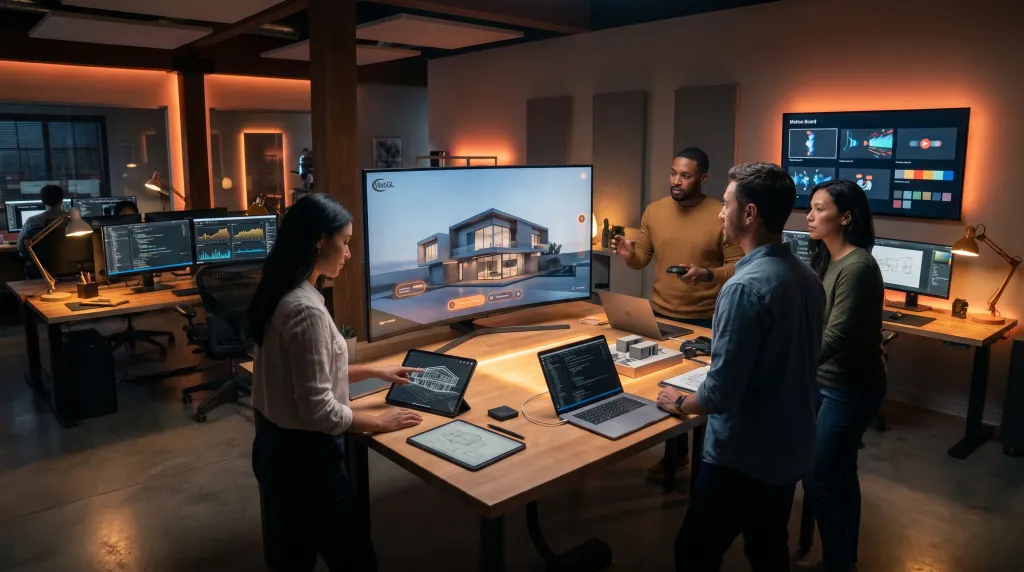
- Discovery & Strategy: The agency works closely with your team to map business goals to 3D architecture, user flows, and integration requirements. Expect interactive workshops and open technical Q&A to align all stakeholders from day one.
- Rapid Prototyping: Instead of static wireframes, you receive hands-on 3D demos that stakeholders can interact with. This approach uncovers usability issues and enables fast, iterative feedback, preventing costly rework later.
- Development & Integration: Dedicated engineers use frameworks like Three.js, WebGL, and React to build your experience, layering in animation, accessibility, and solid API integrations. Weekly updates and transparent backlog management keep your team in the loop.
- Quality Assurance: Rigorous QA includes testing on diverse devices, stress-testing 3D assets, and validating accessibility. Issues are resolved before launch, minimizing risk and ensuring a smooth rollout.
- Launch & Ongoing Support: Top agencies manage rollouts with zero-downtime strategies, real-time monitoring, and rapid bug fixes. Post-launch support includes analytics review, user feedback loops, and continuous optimization based on live data and evolving business needs.
This structured, hands-on process stands in contrast to low-tier providers, where feedback may be sporadic and support drops off after launch. A true premium agency becomes an extension of your team, invested in your outcomes and able to adapt rapidly as your business evolves.
For more detail on process best practices and common pitfalls during 3D website launches, check out WebGL Website Design for insights on agency workflows from discovery through deployment.
Thinking of elevating your digital brand? Consult with MDX for immersive 3D web design services, where technical mastery, transparent process, and real business alignment are the foundation of every successful project.